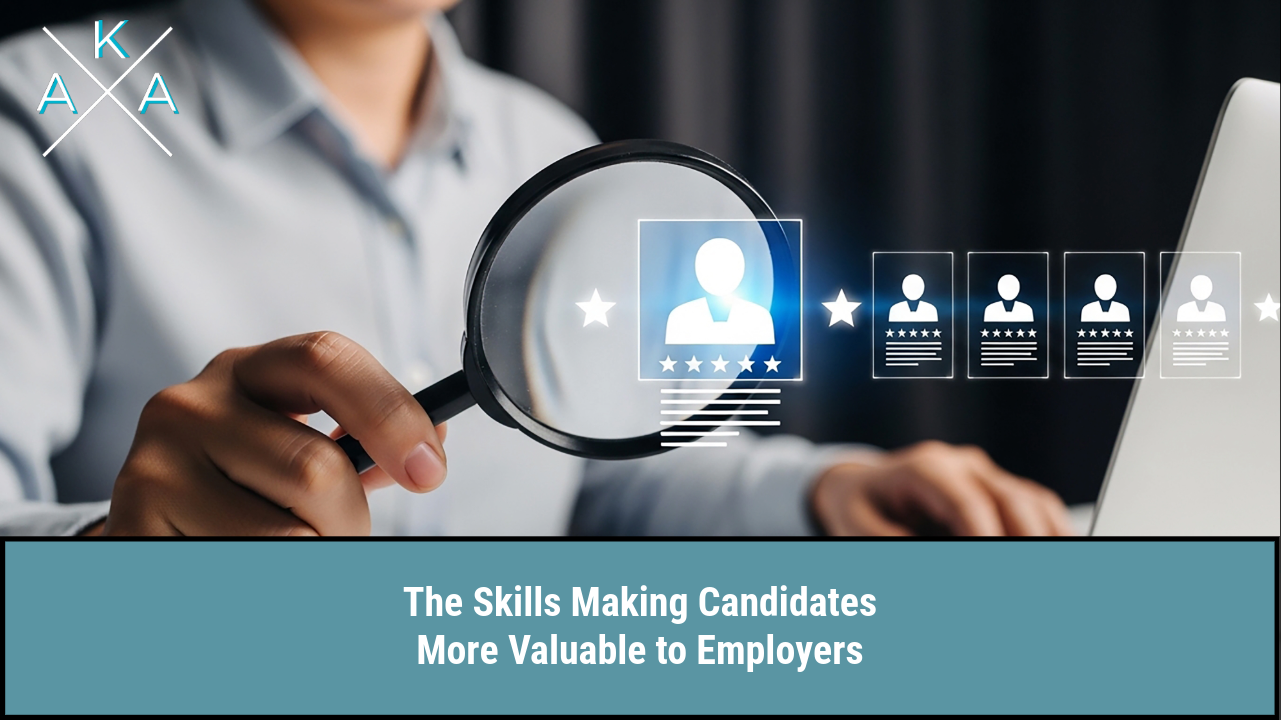
Skills making candidates more valuable to employers have changed a lot over the years, and honestly, I think some people are still trying to win today’s job market with yesterday’s mindset.
I see it all the time in recruiting.
Someone has solid experience. Good resume. Strong background technically. But then you dig deeper into conversations with hiring managers and you realize companies are looking for more than qualifications now. They want adaptability. Communication. Ownership. Problem solving. The stuff that doesn’t always fit neatly onto a resume bullet point.
And to be honest, that shift makes sense.
I still remember a client telling me once, “I can teach systems. I can’t teach attitude or accountability.” That conversation stuck with me because it simplified hiring better than most corporate leadership books ever could.
The market changed. What employers value changed with it.
Being reliable suddenly became rare
This sounds ridiculous saying out loud, but reliability alone has become one of the most valuable traits in the workplace.
Seriously.
Showing up consistently. Communicating clearly. Following through without constant reminders. Those things matter way more now than people think. Probably because so many companies have dealt with instability over the last several years that dependable employees immediately stand out.
I once had a hiring manager tell me their favorite employee was not necessarily the smartest person on the team. Not the loudest either. But they were the person everyone trusted to handle problems without creating more problems.
That matters.
And funny enough, candidates sometimes underestimate how closely employers watch for those small signals during interviews:
- Do they communicate professionally?
- Do they follow up?
- Are they prepared?
- Do they take accountability when discussing past mistakes?
- Can they explain situations clearly without blaming everyone else?
Those little moments shape perception quickly.
I’ve seen candidates lose opportunities not because they lacked experience, but because they came across inconsistent or difficult to work with. That one stings sometimes because technically they may have been capable of doing the job.
But companies hire people, not resumes.
Adaptability became more valuable than perfection
I think one of the biggest workplace changes lately is how fast everything moves now.
Processes change constantly. Technology evolves overnight. Roles expand. Expectations shift. Companies restructure faster than they used to. And honestly, employees who can adapt calmly through uncertainty have become incredibly valuable.
I remember talking with a candidate who worked through three leadership changes in less than two years. Most people would’ve mentally checked out. But instead, they learned new systems, adjusted responsibilities, and kept producing results while everything around them changed.
Employers notice that kind of resilience immediately.
The thing is, businesses no longer expect perfect employees. At least the smart ones don’t. They want people who can figure things out without falling apart every time something changes unexpectedly.
Huge difference.
And to be honest, some of the strongest candidates I’ve ever worked with were not necessarily the most polished people in interviews. They were just adaptable. Coachable. Calm under pressure. Open to feedback without getting defensive.
That combination goes a long way.
Especially now.
Communication is quietly separating candidates
This one probably deserves more attention than it gets.
Communication skills have become one of the biggest differentiators between average candidates and highly valuable ones. Not fake corporate communication either. Real communication.
Can someone explain problems clearly?
Can they handle uncomfortable conversations professionally?
Can they listen instead of just waiting to speak?
Can they communicate pressure without spreading panic to everyone else?
Those things matter constantly inside organizations.
I once watched a candidate completely win over a leadership team during an interview simply because of how clearly and calmly they communicated complex situations from previous roles. Nothing flashy. No rehearsed answers. They just sounded thoughtful, self aware, and easy to work with.
After the interview, the client literally said, “I trust that person already.”
That’s powerful.
And honestly, communication impacts almost everything professionally. Leadership potential. Sales ability. Client relationships. Team culture. Problem solving. Conflict resolution. All of it.
Funny enough, poor communication creates way more workplace problems than lack of technical skill in a lot of cases. I’ve seen incredibly smart employees struggle badly because they couldn’t collaborate effectively with others.
That reality surprises people sometimes.
Employers are looking for ownership now
This one keeps coming up more and more in conversations.
Companies want people who take ownership without needing constant supervision. Employees who see problems and address them instead of waiting around for instructions every five minutes.
And honestly, I understand why.
Leaders are stretched thin already. Teams move fast. Businesses need people who can operate independently while still communicating effectively. That combination is incredibly valuable.
I remember one candidate telling me about a situation where their manager unexpectedly left the company during a major project rollout. Instead of freezing, they stepped in temporarily, organized communication between departments, and kept the project moving until leadership stabilized things.
That story stayed with me because ownership shows up most clearly during stressful situations.
Not when everything is easy.
The thing is, ownership is difficult to fake long term. Employers usually figure it out pretty quickly during interviews and onboarding. People who naturally take responsibility tend to speak differently about challenges. They focus on solutions. Lessons learned. Adjustments made.
Whereas candidates who avoid accountability usually spend interviews explaining why everything was someone else’s fault.
Hiring managers notice that immediately.
And honestly… it changes decisions fast.
Conclusion
The longer I spend around hiring conversations, the more I realize the candidates who become most valuable long term are rarely just the people with the best resumes. They’re the people companies trust. Reliable people. Adaptable people. Communicators. Problem solvers. People willing to take ownership when situations get uncomfortable. And honestly, as the workplace keeps evolving, those human skills are becoming harder to replace and easier for employers to recognize almost immediately.