The Growing Role of Skills Assessments in Candidate Selection
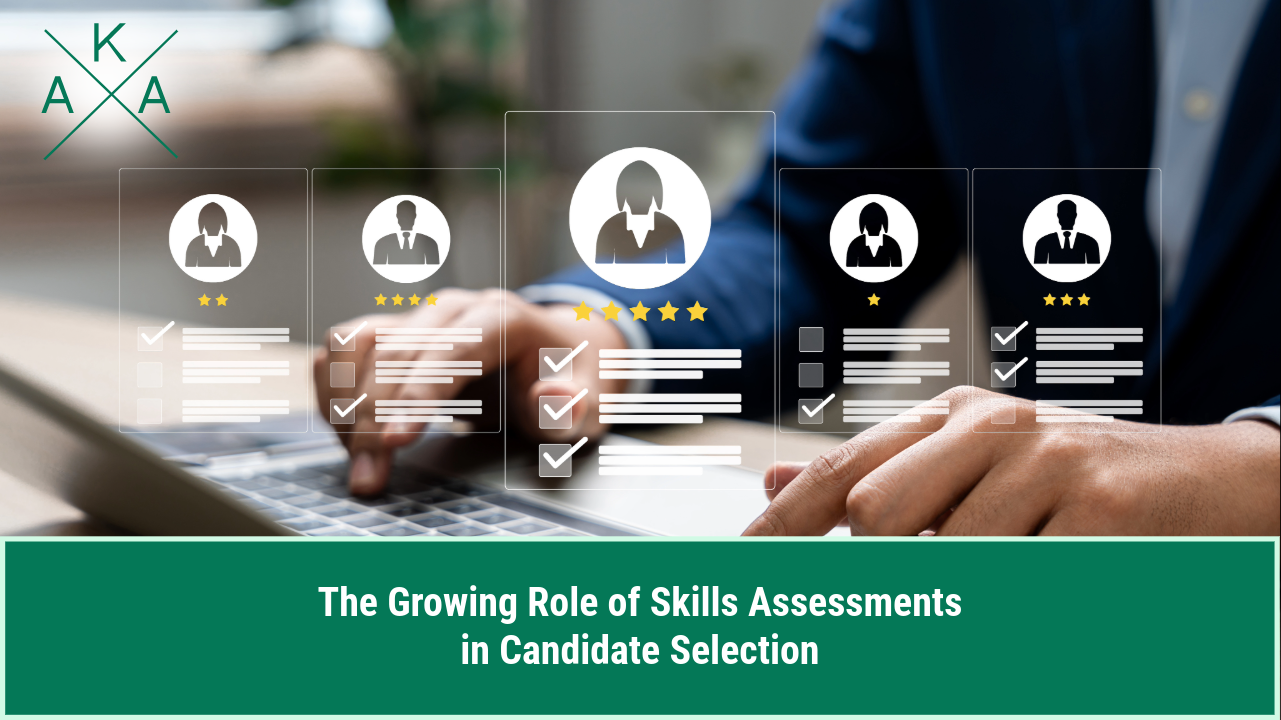
Skills Assessments in Candidate Selection are becoming an increasingly important part of how companies make hiring decisions. And I can understand why. You can spend an hour interviewing someone, walk away feeling pretty good about the conversation, and still have questions about how that person would actually handle the responsibilities of the job. A resume tells you where someone has worked. An interview gives you a chance to understand their experience. But neither always shows you how someone approaches the work itself.
I’ve noticed that hiring managers are starting to ask different questions during the recruiting process. Instead of focusing entirely on where someone has worked or how long they’ve held a particular title, they’re paying more attention to what candidates can actually do. And honestly, I think that’s a conversation worth having, especially when you’re making a decision that could affect your business for years.
A Great Interview Doesn’t Always Tell the Whole Story
I think most hiring managers have experienced this at some point.
You interview someone who communicates well, answers your questions confidently, and seems to understand exactly what the position involves.
The conversation flows naturally.
You finish the interview thinking, “That went really well.”
And maybe it did.
But there’s still a difference between talking about a responsibility and actually performing it.
Someone might explain how they would handle a difficult customer, manage competing deadlines, or lead a department through a challenging situation. Those answers can be helpful, but they’re still descriptions of what someone believes they would do.
That’s where assessments can add another layer of information.
Let’s say you’re hiring for a sales position. A candidate might have several years of sales experience and a history of meeting performance goals. That’s certainly relevant.
But what if you also wanted to understand how they approach a sales conversation?
You could give them a realistic scenario involving a prospective customer who has concerns about pricing. Ask them to walk through how they would respond, what questions they would ask, and how they would move the conversation forward.
Now you’re learning something different.
You’re seeing how they think through a situation that resembles the work they’ll actually be doing.
I think that’s valuable.
Not because the assessment tells you everything about the person. It doesn’t.
But it gives you another perspective to consider alongside their experience, interview responses, and professional background.
And sometimes, that additional perspective raises questions you wouldn’t have thought to ask.
The Best Assessments Actually Relate to the Job
Here’s where I think companies need to be careful.
Just because an assessment exists doesn’t mean it belongs in your hiring process.
I’ve seen how easy it is for businesses to get caught up in adding more steps because they believe a longer process must lead to a better decision.
But more isn’t always better.
If you’re hiring an operations manager, does the assessment help you understand how the candidate would organize priorities, solve problems, or manage responsibilities?
If you’re hiring someone for a customer-facing position, are you evaluating communication and situations they’re likely to encounter?
Those connections matter.
I think a useful assessment should answer a question that is directly related to the position.
For example, different roles might benefit from different approaches:
- Sales positions: A realistic sales conversation or objection-handling exercise can show how someone approaches customer interactions.
- Administrative positions: A scheduling or prioritization exercise may help demonstrate organization and attention to detail.
- Leadership positions: A scenario involving employee communication or competing business priorities can provide insight into decision-making.
- Technical positions: A practical assignment may help candidates demonstrate knowledge they’ll use in the role.
- Customer service positions: A workplace scenario can show how someone responds to questions, concerns, or unexpected problems.
The key is making sure the exercise reflects the actual work.
And keeping it reasonable.
Candidates have jobs, families, and other responsibilities. Asking someone to complete hours of unpaid assignments before they’ve even had a meaningful conversation with the company can create unnecessary frustration.
I’ve always believed the recruiting process should be respectful of everyone’s time.
You want enough information to make a thoughtful decision, but you also want candidates to feel that the process is organized and fair.
There’s a balance there.
And I think companies sometimes forget that candidates are evaluating them too.
One Assessment Shouldn’t Make the Entire Hiring Decision
This is probably the part of the conversation I feel most strongly about.
An assessment is a tool.
It’s not a crystal ball.
You can learn useful things from a candidate’s results, but those results don’t automatically tell you how someone will perform after joining your company.
People are more complicated than that.
Think about someone who performs well during interviews but becomes nervous when completing a timed exercise. Or someone who doesn’t have experience with a particular assessment format but has spent years successfully handling similar responsibilities in the workplace.
Those things are worth considering.
I’ve always thought it was important to understand what an assessment is actually measuring before deciding how much weight to give it.
Some assessments focus on job-related knowledge. Others examine cognitive abilities, behavioral tendencies, or particular workplace characteristics.
Those aren’t interchangeable.
And they shouldn’t all be interpreted the same way.
A behavioral assessment, for example, may help generate questions about how someone prefers to communicate or approach certain responsibilities. But it shouldn’t be treated as a definitive judgment about someone’s personality or potential.
The same goes for cognitive assessments. Depending on the position and the assessment being used, they may provide relevant information, but they need to be appropriate for the role and interpreted carefully.
That’s why I believe assessments work best when they’re part of a broader hiring process.
You still need to consider professional experience, job-related accomplishments, structured interviews, references when appropriate, and the responsibilities of the position.
I also think employers need to be consistent.
If two candidates are applying for the same role, they should generally be evaluated using comparable job-related criteria.
And companies should make sure their assessment practices comply with applicable employment laws, including requirements around equal employment opportunity, accessibility, and reasonable accommodations.
That may not be the most exciting part of recruiting, but it’s important.
Because the goal isn’t simply to collect more information.
It’s to make better decisions using information that’s relevant, reliable, and fair.
Better Hiring Decisions Start Before the Assessment
Something I’ve noticed is that companies sometimes spend more time choosing an assessment than defining what they’re actually looking for in a candidate.
And that’s a little backward when you think about it.
Before deciding how to evaluate someone, you need to understand what the person will be responsible for.
Not just the job title.
The actual work.
I think this becomes especially important when a company is growing or changing its organizational structure.
A business might be hiring a sales manager because revenue is increasing. But does that person need to spend most of their time coaching employees? Managing performance? Developing sales processes? Or working directly with major customers?
Those responsibilities require different capabilities.
And if leadership hasn’t agreed on the priorities, even a well-designed assessment may not answer the right questions.
That’s one reason I think recruiting companies can help businesses approach candidate selection more thoughtfully.
A recruiter can work with hiring managers to clarify the position, identify the experience that matters most, and determine which evaluation methods could provide useful information.
Sometimes that includes a skills assessment.
Sometimes a structured interview or practical work sample makes more sense.
And sometimes the best next step is simply asking better questions.
I don’t think every position needs the same process.
Actually, I’d be concerned if a company used an identical assessment approach for every role without considering the differences in responsibilities.
Hiring an executive, a sales representative, and an administrative coordinator involves different expectations.
The evaluation process should reflect that.
I also think there’s value in discussing assessment results with candidates rather than looking at a score and moving on.
If a candidate approaches a scenario differently than expected, ask them about it.
What were they considering? Why did they choose that approach? Would they handle anything differently with more information?
Those follow-up conversations can be surprisingly useful.
You might discover that someone considered a factor you hadn’t thought about.
Or you might identify an area where additional training would be necessary.
Either way, you’re learning more than a score alone could tell you.
And that’s really what candidate selection should be about.
Understanding the person, the responsibilities, and whether their qualifications align with what the business needs.
Not trying to find someone who performs perfectly on every evaluation.
Because let’s be realistic. Nobody does.
Conclusion
I think skills assessments will continue to have a place in recruiting, especially as companies look for better ways to understand candidates beyond their resumes and interviews. But I’ve never believed that one test, one conversation, or one impressive qualification should determine an entire hiring decision. People bring different experiences, strengths, and ways of approaching their work. The more thoughtfully we evaluate those things, the better our conversations become. And for me, that’s the real value of assessments. Not replacing the human side of hiring, but giving us another way to understand the people we’re considering bringing into our organizations.