The Next Era of Workforce Planning Starts With Better Talent Decisions
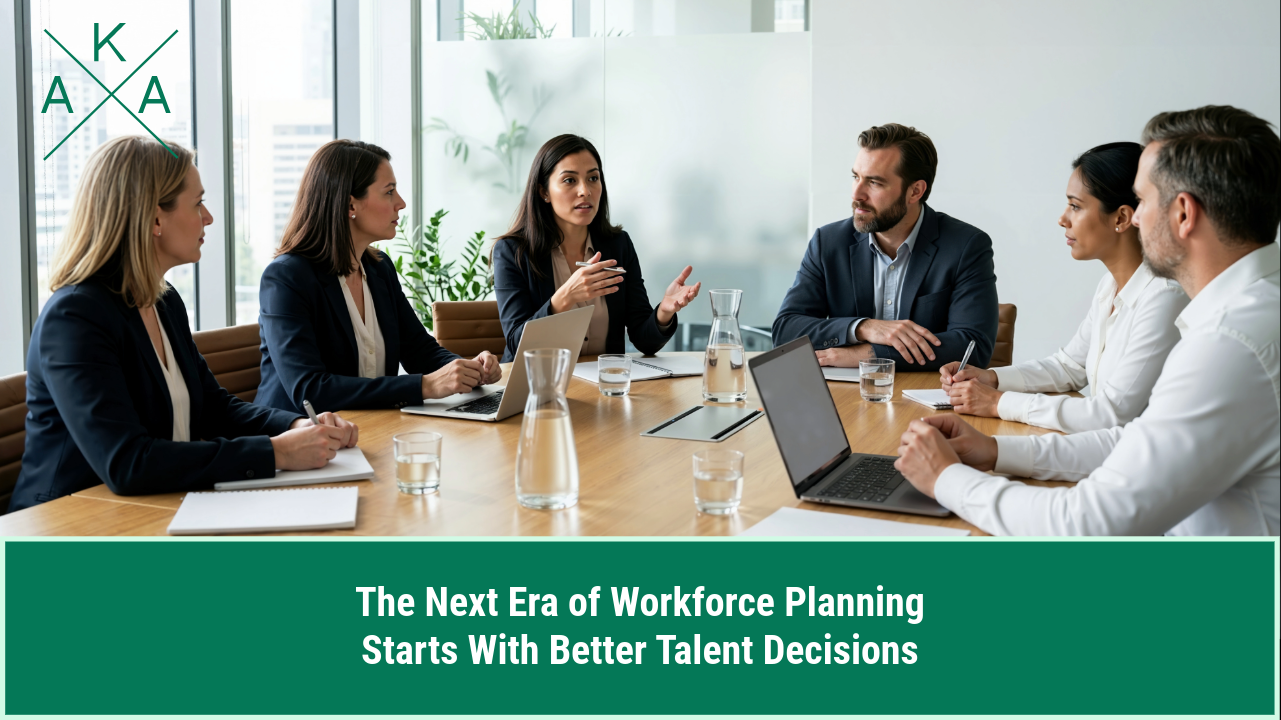
Workforce planning and talent decisions have become a much bigger part of running a business than I think most people expected. Years ago, the conversation seemed pretty straightforward. Someone leaves, you find a replacement. Business picks up, you hire another person. And for a while, that approach might work. But the way companies operate today is changing, and the people you bring into your organization can influence a lot more than the work getting done this week.
I’ve noticed that some of the most important hiring conversations happen when a company isn’t actively looking to fill a position. They happen when someone starts asking whether the current structure still makes sense, whether employees have room to grow, or whether the business has the people it needs for what’s coming next. Those questions don’t always have easy answers. But they’re worth having.
The Business Changes, but the Roles Don’t Always Keep Up
One thing I’ve noticed about growing companies is how quickly responsibilities can change without anyone really stopping to acknowledge it.
You hire someone to manage customer relationships. A year later, they’re handling reporting, training new employees, coordinating projects, and helping solve operational problems that weren’t even part of the original job description.
Nobody necessarily planned for that to happen.
The company grew. New responsibilities appeared. And because that employee was dependable, more work naturally landed on their desk.
I’ve seen similar situations with managers who started out supervising a handful of employees and eventually found themselves responsible for entire departments. The business expanded, but the structure around them stayed pretty much the same.
For a while, everyone makes it work.
Then something changes. Maybe a major client comes on board, someone resigns, or leadership decides it’s time to expand into another market.
Suddenly, those informal arrangements don’t seem quite as manageable.
That’s when workforce planning becomes a real conversation.
I think we sometimes spend so much time talking about how many people a company needs that we forget to ask whether the responsibilities are divided in a way that makes sense.
Adding another employee isn’t always the answer.
Sometimes a company needs to redefine an existing position. Other times, it needs a different level of leadership or someone with experience building processes that can support a larger operation.
And sometimes, to be honest, the business has simply outgrown the way it used to operate.
Recognizing that isn’t a bad thing. It’s part of growing.
But waiting too long to recognize it can make the next hiring decision more difficult than it needs to be.
A Good Hire Today Should Still Make Sense Tomorrow
I think one of the harder parts of recruiting is balancing what a business needs immediately with what it might need a year or two from now.
Because those aren’t always the same thing.
Let’s say a company needs someone to manage daily operations. Right now, the priority is keeping projects organized, making sure employees have what they need, and helping leadership stay focused on bigger responsibilities.
Fair enough.
But what happens if the company doubles in size?
Will that person eventually need to manage department leaders? Build reporting systems? Help develop new processes? Take responsibility for budgets?
Those questions matter, especially when you’re hiring for a position that could grow with the business.
I’ve had hiring conversations where the initial job description sounded fairly straightforward, but once we started discussing the company’s future plans, the position looked completely different.
And that changes the candidate search.
It changes the experience you’re looking for, the compensation conversation, and sometimes even the job title.
The thing is, you don’t want to hire someone based entirely on responsibilities that may never materialize. But you also don’t want to overlook where the business is headed.
There’s a balance.
When I’m thinking through a position with a company, I believe a few questions deserve more attention than they sometimes receive:
- What problem are we actually hiring someone to solve? A clear answer helps separate immediate needs from responsibilities that might belong elsewhere.
- How could this role change over the next year? Business growth, new clients, and operational changes can all influence the position.
- What experience is essential from day one? Not every skill needs to be present immediately, but certain responsibilities may require previous experience.
- What opportunities will this person have to grow? Candidates want to understand what their future could look like, not just what they’ll be doing next Monday.
- Are our expectations realistic? The responsibilities, compensation, and level of experience should make sense together.
These aren’t groundbreaking questions.
But I’ve noticed how much clearer the hiring process becomes when everyone agrees on the answers before meeting candidates.
And sometimes those conversations reveal that the position needs to be approached differently.
That’s useful information to have before spending weeks searching for someone.
Your Existing Employees Are Part of the Plan Too
Whenever workforce planning comes up, the conversation usually turns toward new hires.
Who do we need? Which positions should we create? What kind of experience are we missing?
All important questions.
But I think there’s another part of the conversation that deserves just as much attention.
The people who are already there.
It’s easy to get caught up in bringing new talent into a company while overlooking employees who may be ready for additional responsibilities.
Maybe someone in sales has developed an interest in leadership. Maybe an operations employee has become the person everyone turns to when a process needs improvement. Or maybe a manager has been asking for opportunities to develop skills that aren’t part of their current position.
Those conversations matter.
And I don’t think every employee needs to be on a management track to have a meaningful future with a company.
Some people want to become specialists. Others enjoy mentoring new employees. Some want more responsibility, while others value consistency and doing their current jobs well.
The important part is understanding what people want and where their abilities might be useful as the business changes.
I’ve always thought it’s worth asking employees about their career goals before assuming what their next step should be.
You might be surprised by the answers.
Of course, internal development doesn’t eliminate the need for outside recruiting. Sometimes the company needs experience that simply isn’t available internally.
And that’s okay.
But when businesses understand the capabilities of their current employees, they can make more informed decisions about which positions need external talent and which opportunities could be developed from within.
There’s also something important about employees seeing that the company is thinking about their future.
People notice when leadership takes an interest in their growth.
They also notice when nobody does.
Recruiting Should Be a Conversation Before It Becomes an Emergency
Here’s something I keep coming back to.
Why do so many companies wait until a position becomes urgent before they start thinking seriously about recruiting?
I understand why it happens.
You’re busy running the business. There are clients to take care of, employees to support, financial decisions to make, and about a hundred other things competing for your attention.
Recruiting can feel like something you’ll deal with when the need becomes obvious.
But by then, you’re often working against the clock.
A manager leaves unexpectedly. A new contract creates additional responsibilities. Or a department reaches the point where everyone is already handling more than they should.
Now the company needs someone quickly.
And finding the right person takes time.
That’s one reason I think recruiting companies can play a more useful role when they’re involved in conversations about future hiring needs, rather than only being contacted when a position opens.
A recruiting partner can help businesses understand the availability of talent, discuss compensation expectations, identify professionals with relevant experience, and explore what a realistic candidate search might look like.
Sometimes that means looking at candidates from different industries.
Sometimes it means reconsidering the responsibilities of a position.
And sometimes it means recognizing that the person you’re looking for may not be actively searching for another job.
I think that last point gets overlooked.
There are professionals who are doing well in their current positions but might consider a new opportunity if it aligns with their career goals. They aren’t necessarily checking job boards every morning.
But they may be open to a conversation.
Building those relationships takes time, which is another reason I believe recruiting should be part of ongoing business planning.
It doesn’t mean every company needs to hire immediately.
Actually, sometimes the best decision is to wait.
Maybe the business needs to finalize its expansion plans. Maybe leadership wants to reorganize responsibilities first. Or maybe the budget doesn’t support the position yet.
That’s fine.
At least you’re making that decision with a clearer understanding of what you’ll need when the time comes.
And I think that’s what better workforce planning really comes down to.
Not predicting every change or trying to create a perfect organizational chart.
Just having more thoughtful conversations about the people, responsibilities, and experience your business will need as it moves forward.
Conclusion
I don’t believe workforce planning needs to be complicated to make a difference. Sometimes it starts with a simple conversation about where the business is going and whether the people you have today can support that direction. I’ve learned that the best talent decisions aren’t always the ones made quickly or in response to an immediate problem. They’re the ones made with a little more understanding of the business, the people already contributing to it, and the opportunities ahead. Because growth will always bring changes, and having the right people in the right roles can make those changes a lot easier to navigate.